The Old Mill
by Umborne Bridge
Dolphin Street
Colyton
Devon EX24 6LU
enquiries@tree-harvest.com
01297 552977

TREE-HARVEST CATALOGUE
Revised May 2022
INCENSE - GUMS AND RESINS

From Ancient Egypt and Greece to modern Asia and India, people throughout the centuries have utilized incense burning for the senses, the mind and for the spirit. These resins, gums and woods are direct raw materials from the aromatic plants themselves. This type of incense is burned on small charcoal discs. It is used in religious ceremonies, ritual purification, aromatherapy, meditation, for creating a mood, and for masking bad odours. Incenses can be burned individually, or blended.
Gums and Resins
Acacia is a natural gum made from the hardened sap taken from two species of the acacia tree, it is often reduced or powdered or otherwise diluted for the many uses it provides. Historically cultivated in Arabia, Africa, and West Asia, it was used by the Egyptians for embalming. As an incense resin it is used most often as a base or fixative for incense blends because its own scent is so light. It is used in the food and beverage industry and also in pharmaceuticals and nutraceuticals in making concentrates and cosmetics. As a botanical extract,Gum Arabic is also used in making adhesives and as a binding gum.
Almond tree resin collects in the form of tears. The ancient Greeks burned the resin to ward off evil spirits and disease, as the fine fragrance disinfects, purifies and clarifies.
Gum of aloe is a yellow, thick, sticky and bitter sap that is obtained from most aloe plant varieties of Aloe barbadensis. Industrially, it is also referred to as aloe latex. The smell of the aloe resin is extremely pungent and taste is very bitter and nauseatic. Aloe is native to Africa and the Arabian peninsula. It is used in the cosmetic and pharmaceutical industries.
Benzoin Gums
There are two types of benzoin resin used in incense and perfumery, benzoin Siam and benzoin Sumatra. Benzoin Siam is obtained from Styrax tonkinensis, found across Thailand, Laos, Cambodia, and Vietnam. Benzoin Sumatra is obtained from Styrax benzoin grown on the island of Sumatra. Both varieties are anti-pathogenic resins, which are exuded from the tree when it is damaged. Benzoin resin or styrax resin is a balsamic resin obtained from the bark of several species of trees in the genus Styrax. It is used in perfumes, some kinds of incense, as a flavouring, and medicine. Benzoin resin is a common ingredient in incense-making and perfumery because of its vanilla ice-cream aroma and fixative properties. Gum benzoin is a major component of the type of church incense used in Russia and some other Orthodox Christian societies, also in Arab States where it is burned on charcoal as an incense. In perfumery, benzoin is used as a fixative.
Loban in an Indian form of Benzoin, with a particularly intense aroma. This fragrant balsamic resin is obtained from the bark of several species of trees in the genus Styrax. Loban is burnt in places of worship throughout the Indian sub-continent for the holy, sanctified atmosphere the smoke creates. It induces a sense of tranquility, calms the nerves, clears the mind of all negativity and prepares for spiritual practice or prayers. According to religious texts, burning Loban is one of the finest energy purifiers of atmosphere & prevents negative energy.
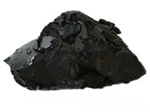
Black storax resin is a rare and precious incense that was popular in ancient times especially among Egyptians and Phoenicians. It is obtained from the Liquidambar Orientalis tree – also known as oriental sweetgum – a high-growing plant native to the Anatolian peninsula. When struck, the tree’s trunk produces a sap which is mixed with finely chopped bark, before being left to macerate for several months. The resulting compound is what we know as black storax resin. It is a warm and balsam-like, sweet, flowery, intense and slightly grassy fragrance and will add a sweet note to any incense blend.
Colophony is also referred to as rosin, or Greek pitch (Latin: pix græca) It is a solid form of resin obtained from pines and some other plants, mostly conifers, produced by heating fresh liquid resin to vaporize the volatile liquid terpene components – removing turpentine. It has a lightly resinous smell rather than a pine scent, but it can be used wherever pine resin is needed when making incense. It is frequently used in the cosmetic and pharmaceutical industries and is a component of many polishes and varnishes.
Copals
There are three main types of copal, golden, white and black. It originated in South America, where it is known to have been burnt by the Mayans, Aztecs and Incas as a gift to the Sun. Sometimes it is referred to as the "American Frankincense" Nowadays it is widely grown elsewhere - especially the "Golden" Copal. The best grade is generally held to be the sensual Dark Copal (Night Copal) which comes from Mexico. Also used as fossilised resin, when available.
Breu - Protium heptaphyllum - has a scent similar to the dark copals, but with a touch of floral. This Breuzinho comes from the rainforests of Brazil.
Dammar gum comes from trees in India and East Asia and varies in colour from clear to pale yellow. In industry, it is used in foods, incense, varnish and other products. As an incense it has a light lemony scent.
A blood red resin from the Dragon's Blood Palm. There are several trees bearing that name growing in various localities (ie the Canaries) but the true incense variety is found in Sumatra. Referred to in many apothecaries’ texts -and traditionally used in medicines.
 Elemi is an oleoresin derived from several tree species but usually refers to Manila Elemi from the Elemi tree, Canarium luzonicum, which is native to the Philippines. The fragrant oleoresin exudes from the bark as a clear pale liquid, but hardens on exposure to the air and sunlight. Elemi is a pale yellow aromatic resin with a consistency similar to honey and has a pine and lemon fragrance. However, while some Elemi oleoresins remain soft, others become very hard. Elemi can be steam distilled to produce an aromatic essential oil. It was used in old fashioned salves, and is still used in medicinal preparations. 
Fir Resin is commonly found as a thick, sticky excretion on the bark of many coniferous tree species. The balsam fir is a native of E & C Canada as well as NE America, and is now a relatively common tree in the conifer tree plantations of Western Europe and excels in its production of resin. If the bark is cut, resin will slowly ooze out, gradually solidifying as a hard, brittle exudation, which prevents the entry of infectious fungi, bacteria and insects, and to deter herbivores from consuming the foliage and bark. There are many traditional uses of fir resins, for example for wood varnish, glues and sealants as well as many medicinal uses.
Frankincense
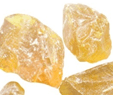
Frankincense is an aromatic resin derived from trees of the genus Boswellia, particularly B. sacra (B. carterii, Hojary or Beyo), B. frereana (Coptic resin or Maydi), B. papyrifera (Sudanese Frankincense) and B. serrata (B.thurifera, Indian Frankincense or Salai). Somalia accounts for most of the commercial production, but the resin is also harvested in other African countries such as Ethiopia and Sudan. The milky sap naturally exudes from the bark and hardens into clear yellow teardrop shaped lumps known as tears, but this can be forced by making incisions in the bark and tapping the resin. When used for burning as an incense, the resin emits a fragrant odour described as a balsamic-spicy, slightly lemon scent, with a pine undertone. It is used for religious rituals and for cultural reasons, such as removing negative energy in the environment. Frankincense is also used as an herbal extract and in ayurvedic medicine.
Speciality Greek Incense
Premium quality incense produced in the region of Holy Mount Athos (Aghion Oros) Greece in accordance with ancient tradition that has lasted for many centuries. Frankincense powder is mixed with water and natural fragrances and transformed into the classical grains, which are placed on charcoal tablets.
The aroma of guaiacum is sweet and warm with a spicy note. As an incense it is said to help with self-confidence, power and courage. It grows naturally in the West Indies, especially Jamaica, St. Thomas and St. Domingo but is often grown as an ornamental in the USA. Guaiacum is also known as Pockwood. 
Gum karaya, or gum sterculia, is also known as Indian gum tragacanth. It is a valuable vegetable gum and is traditionally tapped by cutting or peeling back the bark of trees of the genus Sterculia urens. It can be processed to be used as a food additive. 
Comes from the Rock Rose of Crete, (Cistus ladaniferus) and has a beautiful, sensual fragrance. Labdanum is supplied in its solid form, although it can be found as a thick oil, which is like a tar at room temperature and becomes a free flowing oil when warmed. 
Greek Mastic Gum is the gum resin from the mastic tree (Pistacia Lentiscus). It is a natural aromatic resin in teardrop shape, made of hundreds of components, among which only 80 are contained in identifiable quantities. It is used worldwide in the food industry, health and cosmetic care and can be burnt on charcoal.
Myrrh Resins
The word “myrrh” comes from the Arabic word “mirrah”, meaning bitter. Bitter Myrrh is produced by trees and bushes of the Commiphora genus and although there are approximately 200 different species of Commiphora - all of whom can produce a myrrh type resin - only a few are suitable for incense. Of these the most significant are Commiphora molmol which produces the gum usually recognised as true Myrrh, and Commiphora.erythraea which produces the myrrh like gum called Opopanax. The gum-resin from Commiphora.mukal is known as Guggal and is from India.
Myrrh was used by the Ancient Egyptians in their embalming process and for ritual fumigations in many different ancient cultures. A common ingredient in many different incense blends, Myrrh resin is said to add potency to other resins.
Guggul resin exudes from specific mukul tree in the form of gum or sticky material that gets dried and forms shape of thick lumps to small pieces of gum. Guggul is used as an ayurvedic herb, as an ingredient in medicinal applications and herbal medicines, as well as in perfumery
Opoponax is also known as sweet myrrh. It is used in the production of certain perfumes. As an incense, it has a warm, sweet honey-like aroma
 Styrax weberbaueri is Peruvian Myrrh, but not related botanically to the Myrrh from East Africa.   The aroma when burned, is similar but sweeter to that of East African Myrrh.  Sustainably harvested. Very calming, relaxing and full.  It burns just like Myrrh and Opoponax - it smoulders and chars rather than melts.
Sandarac comes from the natural exudate or tapping of the Tetraclinis Articulata tree, which grows in the North West of Africa particularly in the Atlas Mountain range. This is the genuine resin. It may be used for meditation or ceremonies. It may be used singly or mixed to provide the perfect incense to create an evocative atmosphere. Sandarac has a warm clean fragrance if burnt by itself and blends well with other herbs and resins. Historically it has also been used for medicinal purposes.
Spruce gum resin has a strong forest-like fragrance when used as incense. It has a long history of use in many cultures. In the Middle Ages, spruce resin was used for incense burning and medicinal purposes. It was used to protect against negative energies and promote inner peace. It is now regarded as a high quality aromatic material for perfume, incense and medicine.
Balsams
Copaiba Balsam
Galbanum
Honduran Liquid Storax
Peru Balsam
Tolu Balsam
Copaiba Balsam
This Amazonian oleoresin accumulates in cavities within the tree trunk. It is harvested by tapping or drilling holes into the wood of the trunk and collecting the resin that drips out, much in the same manner as harvesting maple syrup. A single copaiba tree can provide about 40 litres of oleoresin annually, making it a sustainable rainforest resource that can be harvested without destroying the tree or the forest in which it grows. When tapped, the initial oily resin is clear, thin, and colourless; it thickens and darkens upon contact with air. Copaiba resin is used mostly as a fragrance component in perfumes and in cosmetic preparations (including soaps, bubble baths, detergents, creams, and lotions), but is also recognised for its medicinal properties.
Galbanum
Galbanum is an aromatic gum resin, the product of an umbelliferous Iranian Persian plant species, Ferula gummosa (or galbaniflua). It is the only true source of “soft Galbanum.” Many other species of Ferula genus also produce gums, but of greatly varying qualities. Traditional gum gathering is done with a locally made, wrought-iron tool. In May-June, when the leaves are dry, the plant’s roots are exposed and the outgrowth is scored to release a white to straw-yellow resin which slowly solidify upon exposure to the air. Mentioned in the texts of all major ancient civilizations, galbanum was long ago assigned mystical and healing powers. Today it is used in perfumery. 
Honduran Liquid Storax
Honduran Styrax is a gum resin collected from Liquidamber styraciflus, also known as liquid amber. It may be clear, reddish, or yellow, with a pleasant smell like ambergris. It can be burnt on charcoal or used in other incense preparations.
Peru Balsam
Peru Balsam aromatic resin is extracted from Myroxylon balsamum pereirae, native of Central America, but was originally exported from the port of Lima in Peru, hence its name. It has uses in medicine and perfumery but can be burnt on charcoal or used to prepare other incense blends. A strong, warm, and exotic aroma with a hint of cocoa and vanilla. 
Tolu Balsam
Tolu balsam is extracted from a tree, Myroxylon toluifera balsamum, that differs little from that yielding Balsam of Peru. It has a complex aroma consisting chiefly of cinnamon and vanilla notes with a slight floral character. It is a thick brown balsam from Columbia and other equatorial regions of South America. After a time it may solidify.
Menthol is an organic compound obtained from peppermint/other mint oils. It is a crystalline substance, clear or white in colour, which is solid at room temperature and melts slightly above. Menthol has local anaesthetic and counter-irritant qualities, and is widely used in medical preparations; as incense, it produces very scented and visible fumes.
Camphor crystals come from the Cinnamomum camphora tree. The aroma of this naturally occuring incense resembles menthol from the mint species. These crystals are obtained naturally without the use of harsh or toxic chemicals.
Woody Incense
Palo Santo is also known as "Holy Wood" or "Sacred Tree". It is used in religious rituals throughout Peru. The wood is highly aromatic and is burned in churches in the same manner that Frankincense and Myrrh are burned in churches in Europe. Palo Santo was first known to be used by the Incas for purification and cleansing, aid against misfortune and for clearing an area of negative spirits. It is often used in Ayahuasca ceremonies. Palo Santo is a protected species in South America and is usually harvested by collecting fallen branches. This is closely monitored by the government.  This creates a limited supply, but also ensures its survival for use by the indigenous people.
Californian White Sage and Smudge Sticks
Authentic Californian White Sage and other traditional sage bundles and smudge sticks, which have been sustainably gathered from their natural habitat, where traditional use began. The plants are gathered carefully so the sages and their companion plants revegetate to carry the species in perpetuity. Smudge sticks and white sage have been burned by many Native American Indians for centuries in ceremonies of cleansing, clearing, and blessing; also during prayer and meditation, to cleanse rooms and to clear crystals between therapy sessions, etc..
Loose White Sage
White Sage Sprigs, Californian Salvia apiana
White Sage, Broken Leaf, Californian Salvia apiana
Yerba Santa Leaf Eriodichtyon trichocalyx
Smudge Sticks
All subject to availability - other sizes may be available
White Sage Wands 9" Salvia apiana
White Sage Wands 6" Salvia apiana
White Sage Wands 4" Salvia apiana
White Sage Wands 4" with stem Salvia apiana
Cedar Wands 8" Calocedrus decurrens/occidentalis
Cedar Wands 4" Calocedrus decurrens/occidentalis
Chaparral Wands 4" Larrea tridentata
Desert Sage Wands 8" Artemesia tridentata/absinthia
Desert Sage Wands 6" Artemesia tridentata/absinthia
Desert Sage Wands 4" Artemesia tridentata/absinthia
Douglas Fir Wand 9"
Dragon's Sage Wand 4"
Hummingbird Sage Wands 8" Salvia mellifera
Hummingbird Sage Wands 4" Salvia mellifera
Juniper Wand 8" Juniperus occidentalis/scopulorum
Maiden Sage Salvia clevelandia
Mugwort Wand 8" Artemisia ludoviciana
Sweetgrass Braids - large Hierochloe odorata
Sweetgrass Braid mini strip 3-4" Hierochloe odorata
Yerba Santa Wands 8" Eriodichtyon trichocalyx
Yerba Santa Wands 4" Eriodichtyon trichocalyx

Charcoal Disks

Packet of New paragraph

Packet of 10 Charcoal Disks 33mm - Swiftlite
Box of 80 Charcoal Disks (8 rolls per box) 33mm - Swiftlite
Packet of 10 Charcoal disks 33mm
Box of 100 Charcoal disks 33mm (10 rolls/box)
Packet of 10 Charcoal disks 40mm
Box of 100 Charcoal disks 40mm (10 rolls/box)
Three Kings Charcoal is the best known, highest quality quick-lighting charcoal. The tablets ignite immediately and burn evenly for a long time, without giving off any odour or smoke.
Incense Sticks 
Hand Rolled Incense Sticks (12 sticks per packet)
Made by the Sri Auribindo Yoga Mandir trust: an ashram of seventy people, situated at the base of forest covered high Himalayan mountains, overlooking the Kathmandu valley. We are very pleased to be able to support the ashram by buying their incense. The money for the incense goes towards running the ashram. It takes care of underprivileged and orphaned children and it is also engaged in diverse progressive activities including an education centre and naturopathy clinic.
Nepalese Incense - Himalayan Herb a blend of at least 10 Himalayan herbs, roots and leaves
Nepalese Incense - Sandalwood made using sandalwood powder and Himalayan herbs
Nepalese Incense - Earth Blessing a special blend prepared for Tree-Harvest
Nepalese Incense - True Life traditional halmaddi incense blended with himalayan herbs
Nepalese Incense - Rose authentic Himalayan incense made with rose petals and Himalayan herbs
Free from Chemicals, intoxicants and animal fat
A traditional Tibetan incense for healing and  meditation

Temple Incense - Original Healing Incense                       

This healing incense formula is a traditional Tibetan holistic medication for stress and tension that has been used for centuries. It is made from 31 purely natural ingredients and prepared entirely by hand

South American Incense
Copal Incense Sticks 5 per pack
White Sage Incense Sticks 5 per pack
Palo Santo Incense Sticks 5 per pack
Accessories

Jali Wooden Incense Box   


Wooden Ash Catcher   


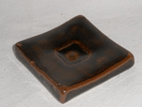
Ceramic Dish   


Lotus Flower Candle and Incense Holder  


Made of polished soapstone, lotus shaped. Suitable for burning a candle or charcoal disc, as well as an incense stick. 10cm wide

Soapstone Aroma Burner    


Small lamp made of soapstone, heavy quality. Soapstone is a natural product, so it can vary in colour from light to dark or marbelled. It is a dual incense burner and aroma lamp.  9cm wide

Terracotta Burner                   

Metal Incense Burner   

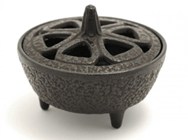
A heavy solid metal bowl with a metal lid, that can be used for burning charcoal discs and incense resin such as frankincense, copal or myrrh. Or alternatively can be filled with ash to make it into a burner for incense sticks. 7.5 cms tall x 8cms wide (approx)
Hand Carved Incense Stick Holders 


Made by the Children at the Sri Auribindo Yoga Mandir Trust